Bunsen burner gauze mats containing asbestos in schools across the UK

Bunsen burner gauze mats containing asbestos in schools across the UK, officials reveal

Government writes an urgent letter to all secondary schools and colleges advising them to ‘remove and dispose of potentially hazardous mesh gauze used in science lessons.’

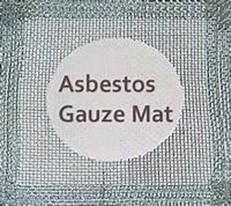
Pupils at secondary schools across the UK may have been exposed to asbestos from heatproof gauze mats used with Bunsen burners after the Health, and Safety Executive (HSE) said two companies had been supplying the deadly material to schools.

As the new academic year begins, science teachers have been warned not to use their stocks of heatproof mats and to remove them from classrooms and “seal them with tape” until their certification with suppliers has been established, or they have been given the all-clear after laboratory tests.

The risk of exposure remains “low”, the HSE said and told the companies to stop supplying the mats to schools, adding they were working to establish which schools were affected.


Read more

BBC Report: Asbestos Warning for Sea King Helicopter Staff

BBC Report:

Asbestos warning for Sea King helicopter staff

Military staff who worked on Sea King helicopters are being warned they may have been exposed to asbestos.

The Ministry of Defence is urgently removing parts suspected of containing the harmful material from its aircraft, which have been in service since 1969.

The Mail on Sunday reports thousands of engineers may be affected, but pilots – who have included members of the royal family – are not said to be at risk.

An MoD spokeswoman said the safety of personnel was “our highest priority”.

Past exposure

The ministry faces the task of getting in touch with staff who worked on Sea Kings since the aircraft came into service nearly 50 years ago.

“Any remaining items in service Sea Kings suspected to contain asbestos are being removed urgently and we are contacting those who may have been exposed in the past, detailing the actions they should take,” the MoD said.

Foreign governments and civilian organisations which have bought former UK military Sea Kings are also being contacted and advised of action to take.

The MoD spokeswoman said: “The safety of our personnel and our partners is always our highest priority. All Sea-King items suspected to contain asbestos have been removed from stores.”

About 5,000 people a year die from asbestos-related illnesses – the material releases fibres when it is disturbed, causing cancer and damage to the lungs.

The substance was widely used in electrical and building insulation until it was banned in 1999.

In other cases, not involving the MoD, workers and their families have been awarded hundreds of thousands of pounds in compensation after they developed mesothelioma, an aggressive form of cancer, from asbestos.

The British Lung Foundation advises that most people exposed to asbestos do not develop serious illnesses, but that they should tell their GP and mention any symptoms of coughing, shortness of breath or chest pain.

Search and rescue

The warning from the MoD comes after an official report into the death of an Australian serviceman was attributed to exposure to asbestos, petrol, or other toxins while working on a naval base.

Petty Officer Greg Lukes, an avionics technician who maintained Sea Kings in New South Wales, died four years ago from a rare, aggressive form of cancer.

The Sea King has been deployed in conflicts from the Falklands War to Afghanistan.

In its role as a search and rescue craft, it flew on 14,595 missions between 1982 and 2013.

But the ageing aircraft is being gradually replaced, with search and rescue missions taken over by privately operated Sikorsky S-92s and AgustaWestland AW189s as the Royal Navy switches to Merlin helicopters.

Read more
Asbestos Surveys

Asbestos in Schools: Is it a Danger?

BBC Report:

Asbestos in schools: Is it a danger?

How would you know if there is asbestos in your child’s school? And is it a danger? A teaching union has raised concerns about a potential “ticking timebomb” in school buildings. So what is being done to protect teachers and pupils?

The dangers of asbestos are well documented. Asbestos was banned in 1999, but it was regularly used in construction until this date, including some schools built between the 1950s and 1980s.

According to the national education union (NEU- formerly the National Union of Teachers), more than 200 teachers have died across the country since 2001 from mesothelioma, a form of cancer associated with asbestos.

Mesothelioma is caused by exposure to asbestos fibres, and the disease typically develops more than 20 years later.

Children who are exposed to asbestos are five times more likely to contract the disease than adults aged 30, government research has found.

The Health and Safety Executive (HSE) said that it presents a “very low risk” to people in school buildings properly managed.

Research by the BBC has found that just over half of schools in the North West are known to contain asbestos, but local authorities do not know if 44% of schools have the material or not.

Many schools (61%) are outside LEA control, including academies and free schools.

Peter Middleman is a representative of the NEU in the North West.

“If you start from a position that asbestos causes cancer in children or children who are exposed to asbestos go on to get cancer in later life, then your starting position needs to be that it’s removed as a priority,” he said.

“They’re paying £7bn to renovate the House of Commons, another £150m to renovate the Royal Palaces. It would take £13bn to get schools up to a satisfactory standard without removing asbestos.

It’ll cost more to do it properly, but we think it’s worth paying. The powers that be have an obligation to ensure this isn’t a ticking timebomb.”

A survey by the teachers’ union in March 2017 found that 46% of teachers had been told that their school contained asbestos but about half of those said they had not been told where it was located.

Mr Middleman said he acknowledged that schools are under financial pressure but said: “knowledge is power”.

“If we know where the incidents are likely to take place, we know where the asbestos is; then we can manage that,” he said.

Beth Gibbins’ mother, Michele Reed, from St Helens, died from mesothelioma in February 2017.

She had worked as a French teacher at schools in the North West for her whole life.

Michele believed she had been exposed to asbestos at a school where she worked which she recalled had dusty classrooms.

Ms Gibbins said to live with the “injustice” of her mother’s death was “horrible.”

“She did not deserve to be in an environment where potentially there’s a danger that if you do this for so long, or even if you do this for five minutes if you’re in the building with it, that’s it; it’s going to end your life very abruptly and very traumatically at an early stage.”

The HSE requires all employers to notify them if asbestos is released into the air “sufficient to cause potential damage to the health of any person”.

It said it had received on average 40 reports from schools per year for the past five years.

A spokesman added that many of the reports related to work undertaken by contractors in areas away from pupils and staff or at weekends in the school holidays.

But the regulations that require asbestos disturbances to be reported to the HSE “do not require the number of school staff and pupils who may have been exposed in incidents to be included within the notification”.

The government said it had invested £5.6bn in the maintenance of school buildings since 2015, which can be used to fund the removal of asbestos.

“We expect all local authorities and academy trusts to have robust plans in place to safely manage asbestos in buildings and provide detailed guidance for them on doing so,” a spokesman said.

“We have also recently launched the new Asbestos Management Assurance Process [a scheme where schools have to provide written assurance that their schools are compliant with legislation on the management of asbestos] to make sure they are following these requirements.”

Read more

Asbestos in former school roofing confirmed

BBC Report:

Asbestos in former Aberdeen school roofing confirmed

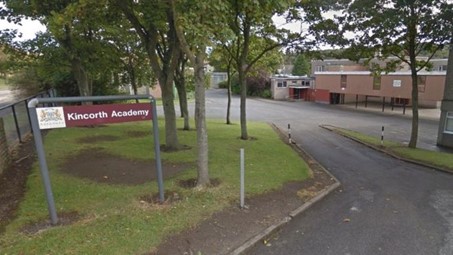
Asbestos was present in roof sheeting at a former school being demolished in Aberdeen, the city council has confirmed.

BBC Scotland revealed on Friday work had been suspended at the Kincorth Academy site amid concerns.

The council launched an investigation into the incident.

A spokesman said on Monday: “Works in connection with removing asbestos cement roof sheeting have ceased whilst investigations are still ongoing”.

In November last year, the council was told to improve procedures after no emergency response for five days following asbestos being disturbed at a different school.

Teachers, janitors, cleaners and other workers were allowed on to the Bridge of Don Academy premises following the incident in July 2018

Read more
Asbestos Surveys

Asbestos exposure concerns at sheltered housing complex

BBC Report:

Asbestos exposure concerns at Aberdeen sheltered housing complex

An Aberdeen sheltered housing manager fears staff, residents, and visitors could have been put at risk by repeated exposure to asbestos.

Emma Davis told BBC Scotland News she decided to speak out after repairs to a laundry room at Bridge of Dee Court revealed asbestos.

She believes it could be the third time she has been exposed since 2018.

Operator Hanover Scotland said the asbestos was “low risk” and that it would be dealt with on Wednesday.

The company said health and safety had not been put at risk.

Disturbed asbestos can release fine dust, which can damage the lungs.

Mrs Davis – who has now written to residents with her concerns – said: “I have not taken this course of action lightly but feel very strongly that I have no other option and that I have a duty to expose this.”

The manager said there had been two previous asbestos incidents in 2018. Then water started coming through a refurbished laundry room ceiling in June this year and cut plasterboard away.

‘Full investigation.’

Mrs Davis said the hole had been awaiting repair for two months and that it had emerged that the roof tiles opened for repairs contained asbestos.

She said: “Staff, visitors, and residents have been put at risk.

“I’d like a full investigation to take place and to ensure that this can never happen again. Once is bad enough, twice is terrible, three times is truly unbelievable.”

She said: “The laundry ceiling remained untouched for over two months. I, therefore, began chasing up this repair last week.

“I began getting suspicious and concerned again that asbestos could still be present. I, therefore, checked Hanover’s Asbestos Register, which to my horror, stated that chrysotile asbestos was present in the laundry ceiling.

“I, therefore, phoned the health and safety officer in head office who told me he was sure there was no asbestos present due to the refurbishment.

“He did, however, suggest I contact the compliance officer, which I did and was told that he was also sure asbestos had been removed but ‘could not find anything definitive to confirm that’ and he would therefore arrange for the test of the laundry ceiling and surrounding area to be carried out.”

‘Safety paramount.’

Mrs Davis added: “Samples for testing were taken. On Friday, I was notified via Hanover’s compliance officer via email that the test results had come through and chrysotile asbestos was present in the laundry ceiling. The email also asked me to restrict access to the area.

“I felt physically sick.

“When I went down to lock the laundry room door, I found that it doesn’t have a lock, so I took it upon myself to call an emergency joiner to fit a padlock. I remained on-site, stopping residents from entering the laundry room until the joiner had fitted the padlock.”

Resident Shirley Wood told BBC Scotland: “I found the leak in the laundry room; I was there when it was all exposed – and now it’s been exposed for more than two months.

“This is not the first time that they’ve found something in the building. But now this has happened, and we’re told it’s asbestos – just not good enough.”

Hanover Scotland said in a statement: “The safety of our residents is of paramount importance to us, and I would like to reassure all of those at Bridge of Dee that at no point has their health or safety been put at risk.

“Our Bridge of Dee site has a fully compliant entry on our Asbestos Register, and we rigorously follow all regulations and advice on these materials, including guidance that asbestos not be removed unless it has been damaged.”

Specialist contractor

The statement added: “On 3 September, a member of staff alerted that damage caused by an emergency repair of a water leak in June had yet to be satisfactorily rectified and that they were concerned about the presence of asbestos.

“The contractor who conducted the initial repair had not informed Hanover of any asbestos at that time, so we immediately instructed them to revisit the site and advise as to its state, which they did the same morning.

“During that visit, they advised that the small corner ceiling section where the repair had been carried out had a textured coating and may contain asbestos. A further specialist contractor visited the site the following day, removed samples, and sent them for laboratory testing.”

Hanover Scotland said the test showed the damaged section of the ceiling contained chrysotile asbestos and that the risk level was considered “very low potential to release fibres” and “low risk – not likely to cause health risk in the short term if removed intact”.

The company said it was isolated to a very small area, and there was no asbestos elsewhere in the room.

A repair of the damaged corner is due to be carried out and the asbestos removed on Wednesday.

Read more

Asbestos dumped on river bank

BBC Report:

Asbestos dumped on the riverbank near Manea

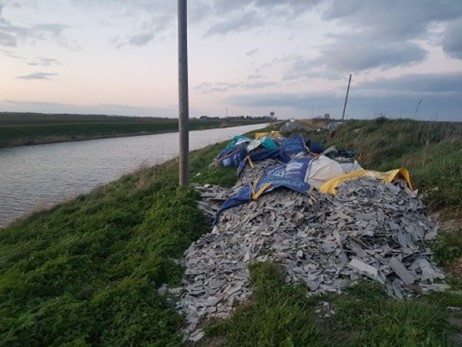
A costly clean-up operation is underway after 12 large bags of asbestos were dumped illegally on a riverbank.

The overflowing sacks from several different builders’ merchants were found near Manea in the Cambridgeshire Fens.

It is thought the waste – which will cost Fenland District Council “several thousands of pounds” to clear – was dumped at some point on Sunday.

A council spokeswoman said: “The scale and audacity of the crime are shocking.”

The bags of asbestos – thought to weigh about 12 tonnes in total – were found next to the river at Byall Fen Drove, where the Sixteen Foot Bank meets the Forty Foot Bank.

“Asbestos exposure can also be a serious health hazard,” the spokeswoman added. “We are working with our partners, including the Environment Agency, to investigate the incident, gather evidence, and ensure the waste is removed as quickly as possible.

“Witnesses are key to helping us identify who is responsible, and we would appeal for anyone with information to get in touch.

“We are committed to catching those who fly-tip in our district and would urge people to report any such activity that appears suspicious.”


Read more

Asbestos claims hit £10m over English schools

BBC Report:

Asbestos claims hit £10m over English schools

 Councils in England have paid out at least £10m in compensation to people who developed illnesses because of asbestos in school buildings.

Figures obtained by BBC News show that in the past decade 32 councils have settled claims from former teachers, school staff, or pupils.

The National Union of Teachers says up to 300 adults die each year because of exposure to asbestos while at school.

The government says it is investing £23bn to improve school buildings.

But campaigners warn that the presence of asbestos in schools continues to put pupils’ lives at risk.

“My mum Sue was a teacher for 30 years and her life was cut short because of this horrible material,” Lucie Stephens said.

“As she was dying she was really angry and concerned about the 900 children that she’d taught during her career. If my mum has been exposed to this deadly substance, how many of those children will have been exposed?”

Using the Freedom of Information Act, BBC Yorkshire has obtained figures from 135 councils in England, that show there are at least 12,600 council-run schools where asbestos is known to be present.

The number of actual schools that contain asbestos is likely to be higher as many have become academies and so are not included in the figures.

It is widely accepted that any school building built before the year 2000 is likely to contain some form of asbestos.

In the last five years, local authorities have also recorded 99 instances of significant asbestos disturbances, where people have been put in danger because of potential exposure to the substance.

What is Asbestos?

Asbestos is a naturally occurring mineral that was commonly used as a building material because of its fireproof and insulating characteristics.

A complete ban on the use of the material was introduced in the UK in 1999.

If left undisturbed the material poses no risk to human beings.

However, if someone breathes in asbestos fibres, it can cause serious illnesses such as asbestosis and a type of lung cancer called mesothelioma.

Mesothelioma kills around 5,000 people each year. By the time it is diagnosed it is almost always fatal.

Source: Health and Safety Executive

Dennis Law, from Sheffield, lost his wife Susan who died at the age of 64 from mesothelioma.

“The end of her life was horrific, she had ulcers and red blotches all over her body.

“For 20 years my wife was a teaching assistant and a dinner lady, and she shouldn’t have died because of where she worked”.

The BBC’s investigation also discovered there is no uniform approach to monitoring the presence of asbestos in schools in England.

Of those that responded, 13 councils said they held no information about which schools in their area contained the hazardous material.

Ten councils also refused to disclose information about the number of asbestos cases it had settled; meaning it is likely that more than £10m has been paid out in compensation to victims.

“This is a ticking time bomb because very few teachers and parents know that there is asbestos in schools. The very least we should do is make sure that this information is available to them,” said Rachel Reeves MP, chair of the Asbestos in Schools group.

Speaking to the BBC last month Education Secretary Justine Greening said a recent government review had provided schools with the latest advice on how to keep pupils and staff safe.

“In the overwhelming number of cases we do remove asbestos from schools, but in some cases, our experts are telling us it’s better to leave the material in place. What our review had done though is given us a clear blueprint for how we tackle this issue going forward and that is what we are focussed on doing,” Ms. Greening said.

A spokesperson for the Department for Education added: “The health and safety of children and staff in our schools are vital – that’s why we are investing £23bn in school buildings by 2021.

“This will help ensure asbestos is managed safely and that the amount in school buildings continues to reduce over time.”

Additional reporting by Nicola Hudson, Nicola Rees, and Ruth Green.


Read more
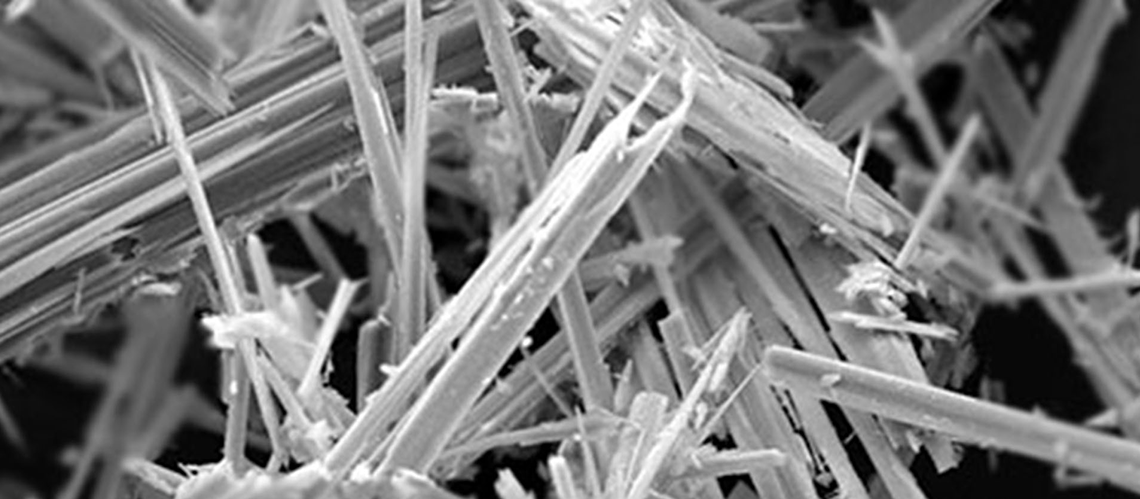
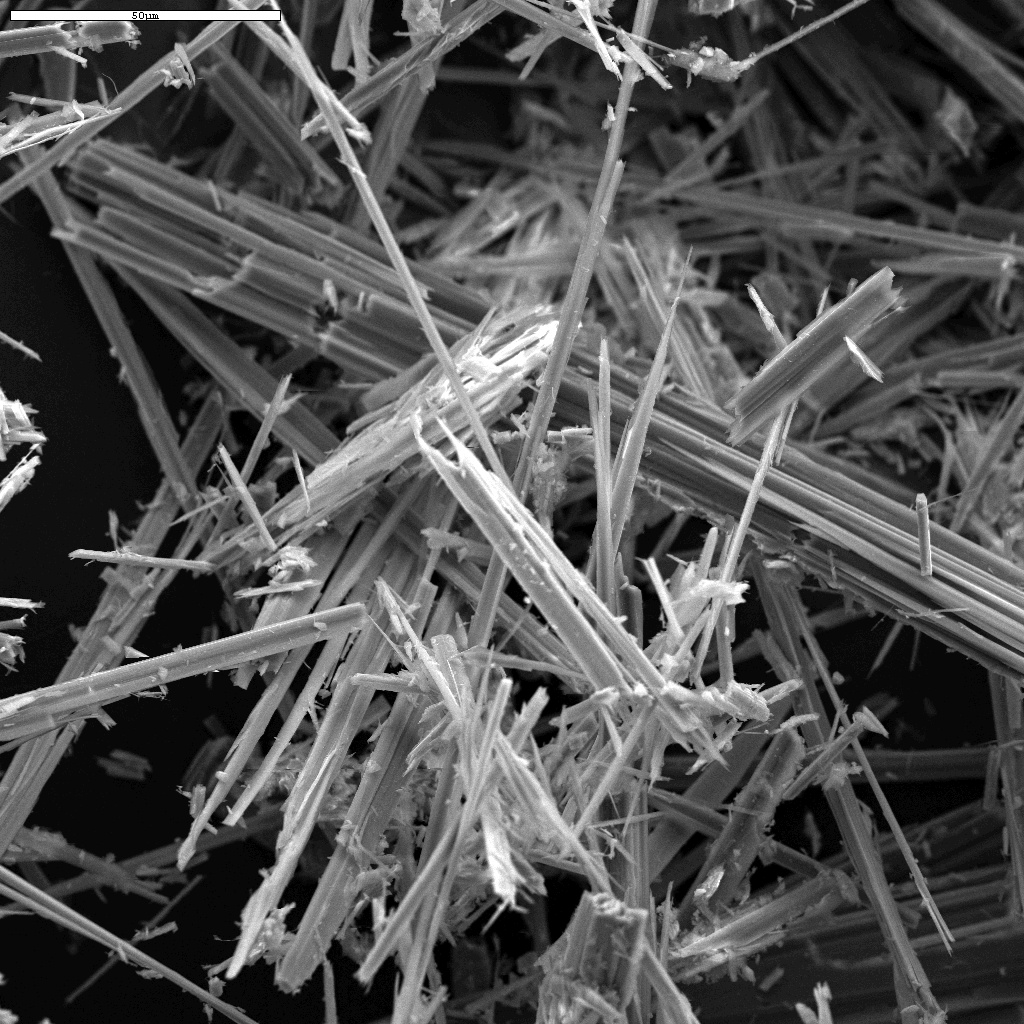
Asbestos fibre

Asbestos Cancer Compensation Scheme

BBC Report: Asbestos cancer compensation scheme approved by States

 The States of Guernsey has approved a scheme that will offer compensation to patients diagnosed with rare lung cancer caused by exposure to asbestos.

People who have contracted mesothelioma from their employment or general environment will be eligible for the scheme from 1 January 2021.

The States are expected to pay up to £100,000 a year in compensation, based on an estimated two people making a claim each year.

The amount of money awarded to a person will be based on the age at which they are diagnosed with the condition, in line with a similar scheme run in Jersey.

Applications for compensation will be required within 12 months of this diagnosis, supported by records showing whether someone is likely to have been exposed to asbestos in Guernsey or Alderney.

In the event of a sufferer’s death, their dependent relative would be entitled to a payment.

A request to delay the debate by Deputy Gavin St Pier and Deputy Jane Stephens on behalf of the Policy and Resources Committee until the financial impact of Covid-19 on States’ funds could be determined was rejected.

.

Read more

The Hidden Costs of Asbestos

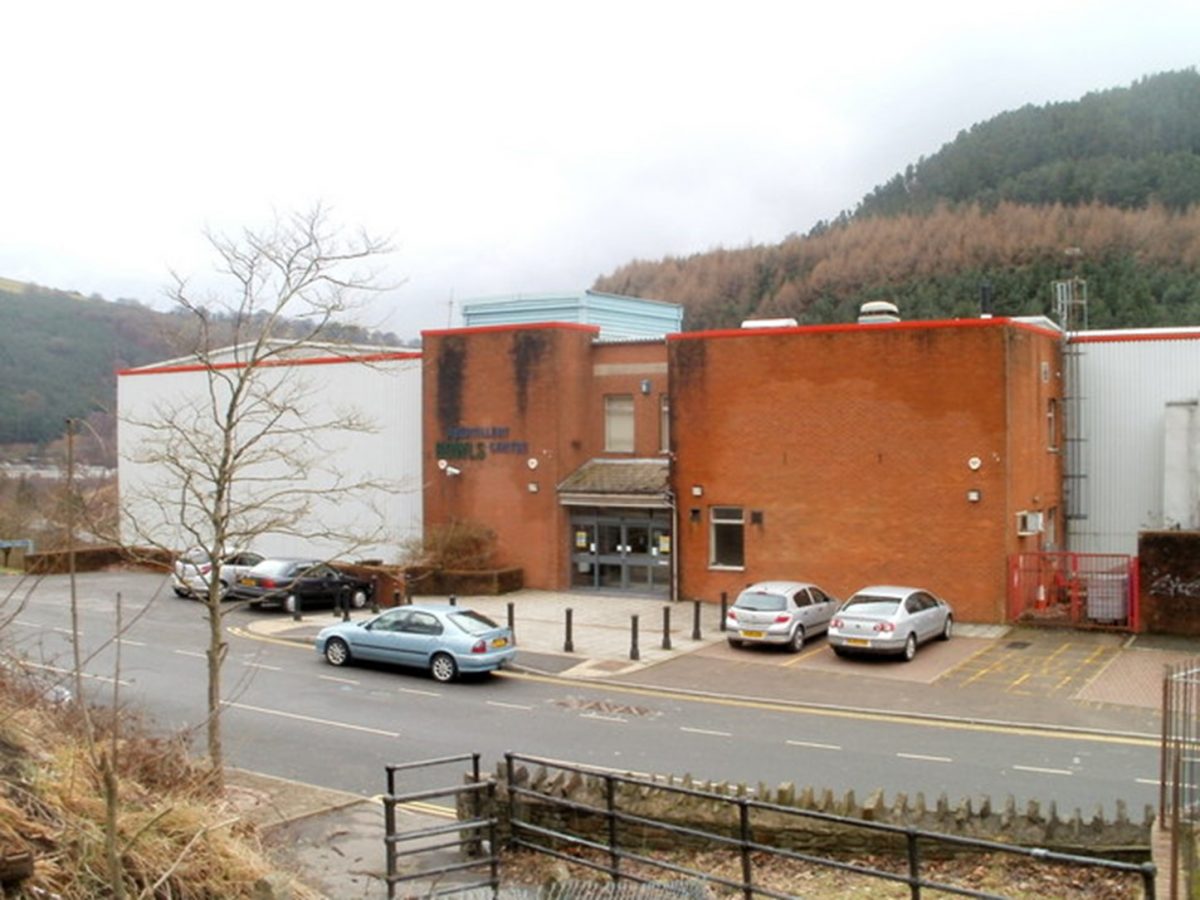
BBC Report: Asbestos adds £1m to Abertillery Leisure Centre demolition

Demolition of a leisure centre will cost an extra £1m and has been delayed by 18 months after asbestos was found.

An asbestos survey of Abertillery Leisure Centre missed the brown asbestos. A report said

Blaenau Gwent council said it was considering legal action against MSS Consulting, the firm behind the survey.

A spokesman for MSS Consulting said it had cooperated fully with the council to resolve the issue since it was first brought to its attention.

The matter is now in the hands of its insurers.

Blaenau Gwent council has suspended demolition work until a new firm has removed the asbestos, at the cost of £998,992.

Despite a specialist survey being carried out to check for asbestos, it was not mentioned in the report and was only discovered once demolition work had begun, the council said.

The council said MSS Consulting Ltd was hired to carry out a pre-demolition refurbishment (PDR) survey to identify the presence of asbestos.

A spokeswoman said, “other sources of asbestos not identified within the PDR were discovered within building cavities and other areas”.

She added: “This required a suspension of works to allow a new survey to be undertaken. Based on its findings, a far larger, more complex work was identified and developed before the work could be tendered.

“The authority is currently seeking legal advice regarding potential action and cost recovery against MSS Consulting Ltd.

Read more
Asbestos Surveys

Asbestos exposed at Hull landmark BHS building

A former landmark Hull department store has had a hoarding placed around it after asbestos was exposed in the building, the city council has said.

The disused BHS building and its mosaic are part of a key redevelopment of the area.

“Some of the cladding has started to come away, and asbestos is being exposed”, said a Hull City Council statement.

The hoarding was erected to “ensure public safety”, said the council.

It is working with Emmaus, a charity for the homeless, to help rough sleepers who had been camping recently under the building’s canopy.

The charity was providing support and accommodation, said the council.

The council is purchasing the site to be part of the planned Albion Square development, and the hoarding was put up with the agreement of the current owners, it said.

The shop building is well-known for the large Three Ships mosaic by artist Alan Boyson.

It comprises almost one million Italian glass pieces on a 66ft by 64ft (20m x 19.5m) concrete screen.

The work was commissioned by the Co-Op, which owned the building in 1963.

Campaigners are lobbying for the mosaic to be listed.

Read more