
Asbestos Surveys in Hull
Need an asbestos survey in Hull? ACM Contracts connects you directly with HSG Surveys Ltd — our BOHS P402 and P405-qualified team providing trusted asbestos surveys across Hull and all HU postcodes. We carry out management surveys and refurbishment surveys for homeowners, landlords and businesses across the city, and we give you a clear, straightforward report you can actually act on.
Free, no-obligation quotes — usually back to you the same day
📞 07703 203930 | 📞 07711 855891
Get a Free Quote →
Hull — officially the City of Kingston upon Hull — has one of the most varied and historically significant building stocks of any city in England. Victorian and Edwardian terraces in the inner areas of Newland Avenue, Beverley Road, Spring Bank, Hessle Road, west Hull and the Avenues, post-war council estates throughout Bransholme, Orchard Park, Greatfield, Longhill and the city’s outer suburbs, older dockside commercial and warehouse buildings, and a large stock of interwar housing throughout north and west Hull all carry a real risk of containing asbestos. If your Hull property was built before 2000, there is a real chance it contains asbestos.
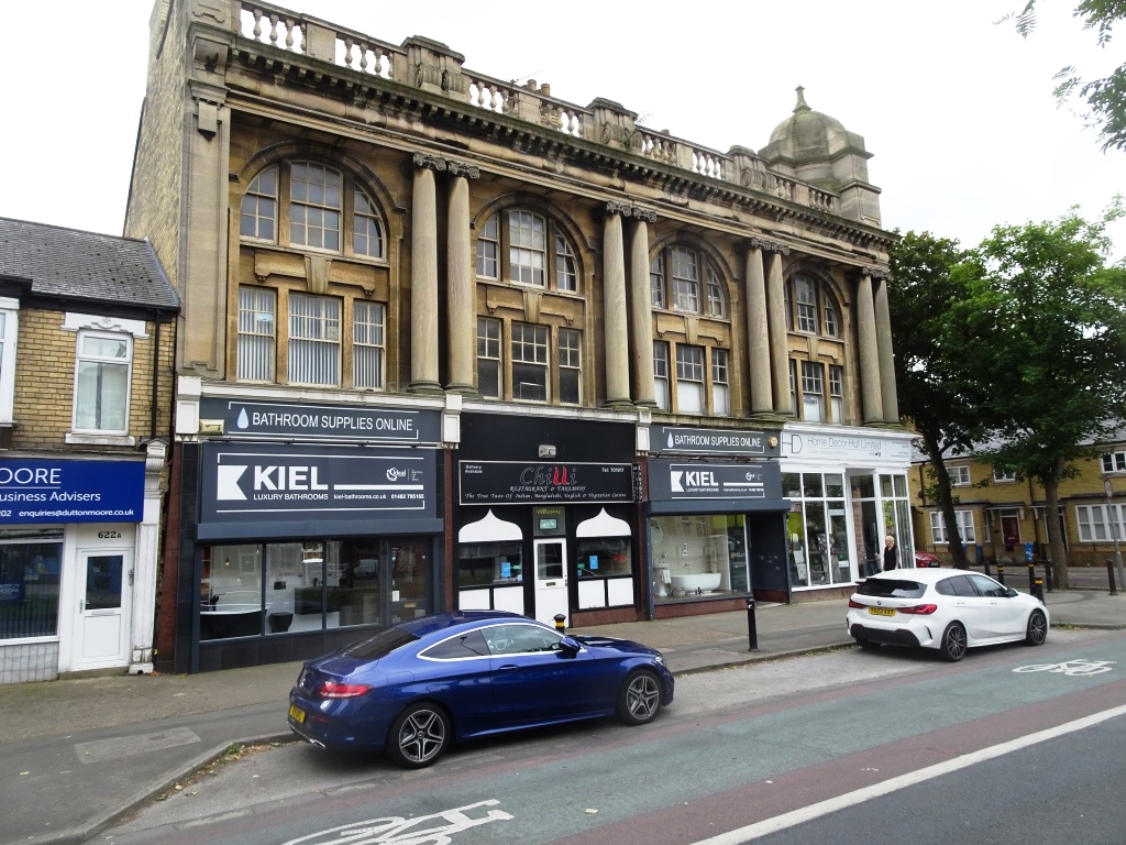
614-620 Holderness Road, Hull — HSG Surveys carried out a management survey at this east Hull commercial parade, helping the owner keep a clear asbestos register in line with CAR 2012.
Free, no-obligation quotes — usually back to you the same day
📞 07703 203930 | 📞 07711 855891
Get a Free Quote →
Recent Survey Work in Hull
Our work in Hull spans everything from residential and commercial premises to larger institutional buildings. Several student accommodation properties for Tulip Housing received management surveys, helping the provider keep asbestos registers current across a portfolio of let properties.
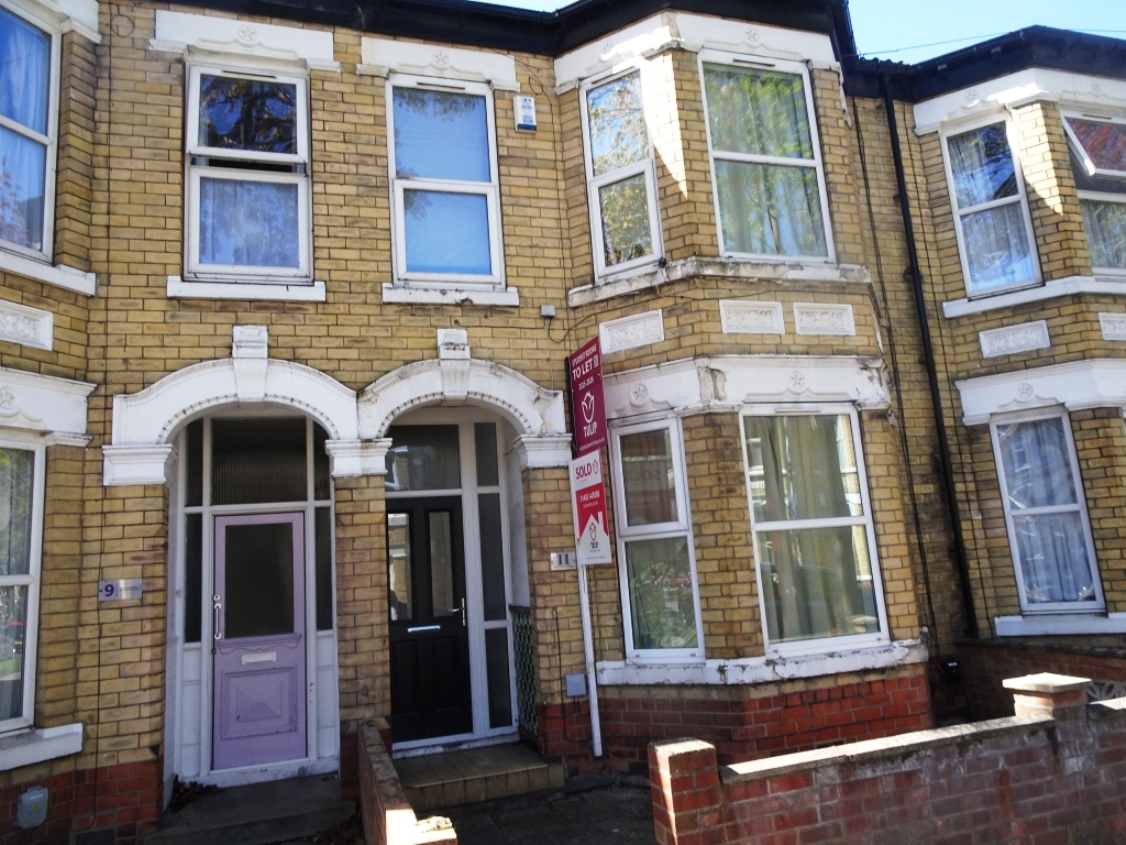
Tulip Housing student accommodation, Hull — management surveys carried out across multiple let properties, supporting the provider’s ongoing compliance under CAR 2012.
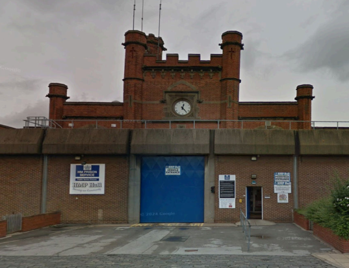
HMP Hull — a refurbishment survey was carried out ahead of planned building works at this institutional site, typical of the larger public sector premises we survey across the city.
Asbestos Survey Services in Hull
We carry out asbestos surveys across Hull and all HU postcodes — from Victorian terraces and post-war council estates to dockside commercial buildings and larger institutional sites. Whether you are a homeowner, landlord, developer or business, we can help.
Asbestos Management Surveys Hull
A management survey is the standard survey for occupied buildings. It identifies asbestos-containing materials (ACMs) that are present and could be disturbed during normal use or routine maintenance, and produces a written asbestos register and management plan. For most non-domestic premises, this is a legal requirement under the Control of Asbestos Regulations 2012 (CAR 2012).
Asbestos Refurbishment & Demolition Surveys Hull
Before any refurbishment, extension or demolition work begins on a building constructed before 2000, a refurbishment and demolition survey is a legal requirement. This is a more intrusive survey designed to locate all ACMs in the areas to be disturbed, including those concealed within floors, walls, ceilings and roof spaces. This applies to a very large proportion of Hull’s housing, commercial and institutional building stock.
Asbestos Sampling and Testing Hull
Where there is uncertainty about whether a specific material contains asbestos, we can take samples and have them analysed by an accredited laboratory. This gives you a definitive answer rather than guesswork, and is particularly useful when buying or selling a property or when a surveyor has flagged a suspect material.
Fast turnaround for landlords — surveys booked quickly, reports back promptly so you stay compliant without the wait.
📞 07703 203930 | 📞 07711 855891
Hull’s Building Stock and Asbestos Risk
Hull’s building stock reflects its history as one of England’s great trading ports and its long industrial heritage, and asbestos-containing materials are found across a very wide range of property types throughout the HU postcode area.
The Avenues and Victorian Inner City
The Avenues conservation area — covering Westbourne Avenue, Victoria Avenue, Marlborough Avenue and Park Avenue — represents some of the finest Victorian and Edwardian residential architecture in the North of England. These large semi-detached and detached properties are among the most likely in Hull to contain asbestos in multiple locations: Artex coatings applied to original plasterwork, thermoplastic floor tiles, insulation boards and pipe lagging throughout. The adjoining streets of Newland Avenue, Beverley Road, Spring Bank and Princes Avenue contain denser Victorian and Edwardian terracing with a similar risk profile.
West Hull and Hessle Road
The tightly-packed terraces of west Hull — including the Hessle Road fishing community area, Anlaby Road, Hawthorn Avenue and the surrounding streets — are among the highest-concentration Victorian housing areas in the city. These terraces were built rapidly and cheaply, and asbestos-containing materials were applied extensively during mid-twentieth century renovation and maintenance programmes.
Post-War Estates — Bransholme, Orchard Park, Greatfield and Longhill
Hull’s post-war housing programme produced some of the largest council estates in the North of England. Bransholme in HU7 is one of the largest council estates ever built in England, and post-war estates at Orchard Park, Greatfield, Longhill and the outer city are similarly extensive. Post-war council housing is among the highest-risk property type nationally for asbestos — Artex coatings, thermoplastic floor tiles, insulation boards, ceiling tiles and asbestos cement panels were used extensively throughout these developments.
Old Town, Docklands and Commercial Properties
Hull’s Old Town and the docklands area contain a significant stock of older commercial, warehouse and maritime buildings. Former warehouses, shipping offices and Victorian commercial premises around the River Hull and the Old Town carry a real risk of asbestos in structural insulation, ceiling tiles, ductwork and industrial fittings. Ongoing regeneration in these areas involves a large number of former industrial and commercial buildings where a refurbishment survey is an essential first step.
East Hull — HU8, HU9
East Hull, including Holderness Road, Greatfield and the streets east of the city centre, has a mix of Victorian terraces, interwar housing and post-war development. All pre-2000 properties in this area carry the same asbestos risk profile as the rest of the city.
Need a survey before work starts? We work with contractors across Hull and all HU postcodes — call us to discuss your timeline.
📞 07703 203930 | 📞 07711 855891
Get a Free Quote →
Who We Work With in Hull
Homeowners
Whether you are buying a Victorian terrace in the Avenues or a post-war semi in north Hull and want peace of mind before you exchange, or are planning a loft conversion or full renovation on an older property, we can help. We give you a clear, honest assessment without overcomplicating it.
Landlords
Hull has a large private rented sector and a significant HMO market. If you rent out a property that was built before 2000, you have a legal duty to manage asbestos risk under the Control of Asbestos Regulations 2012. We work with landlords across the HU area, from single buy-to-let properties to larger portfolios, and hold P405 in Managing Asbestos in Buildings.
Businesses and Developers
Hull has an active commercial and development market, particularly in the docklands and Old Town regeneration areas. A refurbishment and demolition survey is a legal requirement before any intrusive works begin in a building built before 2000. We have experience surveying a wide range of commercial and institutional property types across the city.
Managing a portfolio of let properties in Hull? We carry out the management surveys landlords and housing providers need to stay compliant under CAR 2012.
📞 07703 203930 | 📞 07711 855891
Get a Free Quote →
Areas We Cover Across Hull
We cover Hull and all surrounding HU postcodes. If you are not sure whether we cover your exact location, just call us.
| Areas and Neighbourhoods | Postcodes |
|---|---|
| Hull city centre, Old Town, Anlaby Road, Spring Bank | HU1, HU2, HU3 |
| West Hull, Hessle Road, Gipsyville, Pickering | HU4 |
| Avenues, Newland Avenue, Beverley Road, Orchard Park | HU5, HU6 |
| Bransholme, Kingswood, Sutton, Wawne | HU7 |
| Holderness Road, Longhill, Greatfield, Bilton | HU8, HU9 |
| Hedon, Burstwick, Patrington, Withernsea fringe | HU12 |
Not on the list? Call us anyway — we cover the whole HU postcode area and beyond.
📞 07703 203930 | 📞 07711 855891
Get a Free Quote →
Common Questions About Asbestos Surveys in Hull
I am buying a Victorian terrace in the Avenues. Should I get a survey?
Yes. Victorian and Edwardian properties in the Avenues and surrounding streets are among the most likely to contain asbestos in Hull. These larger properties frequently contain asbestos in multiple locations — Artex coatings on original ceilings, thermoplastic floor tiles, insulation boards and pipe lagging. A management survey before exchange gives you a clear picture of what you are buying.
Does Bransholme and other post-war Hull estate housing contain asbestos?
Yes. Post-war council housing is among the highest-risk property type nationally. Bransholme, Orchard Park, Greatfield and Longhill were built using construction practices that routinely incorporated asbestos. Artex coatings, thermoplastic floor tiles, insulation boards and ceiling tiles are all commonly found.
We are converting a former warehouse in the Old Town. What survey is required?
A full refurbishment and demolition survey is a legal requirement before any intrusive works begin. Former warehouse and commercial buildings in Hull’s Old Town are among the highest-risk property types for asbestos — structural insulation, pipe lagging, ceiling tiles and ductwork all commonly contain asbestos-containing materials.
What if asbestos is found in my Hull property?
Finding asbestos does not mean it has to be removed. If it is in good condition and unlikely to be disturbed, it can often be safely managed in place. Our report tells you exactly what was found, where it is, its condition, and what to do next.
Ready to book your Hull asbestos survey?
Call us on 07703 203930 or use the contact form below. No hidden costs — just a clear survey, a clear report, and straightforward advice on what to do next.
Get a Free Quote →
ACM Contracts is a lead generation site owned and operated by HSG Surveys Ltd. All field operations, billing, and reporting are completed directly by HSG Surveys Ltd.